Art History Book Font for Editorial Design
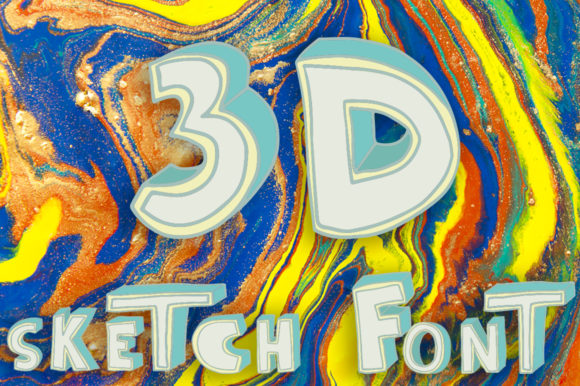
The Art History Book font is a versatile display typeface that brings a unique charm to editorial design. With its outlined style and cute personality, it offers a fresh approach to typography in publishing, web design, and creative content creation. This font is ideal for designers who want to add visual interest without compromising readability.
Its clean lines and playful curves make it suitable for a wide range of applications, from blog headers to magazine covers. The font’s distinct character allows it to stand out while still maintaining an air of professionalism. Whether you're designing a lifestyle blog or a printable guide, Art History Book can elevate your layout with its appealing aesthetic.
Using Art History Book in Editorial Projects
When working on editorial projects, choosing the right font can significantly impact the overall look and feel of your publication. Art History Book is particularly well-suited for use in headings, chapter openers, and pull quotes. Its outlined design adds a layer of visual depth that can draw readers’ attention to key sections of your content.
For example, in a recipe ebook, using Art History Book for section titles can create a cohesive and inviting reading experience. Similarly, in a wedding guide, this font can be used to highlight important details like venue names or event dates, making them more memorable for readers.
Another great use for Art History Book is in quote graphics. Its distinctive style makes it perfect for creating eye-catching visuals that feature inspirational messages or thought-provoking statements. These graphics can be used in newsletters, social media posts, or as part of a larger editorial layout.
Visual Hierarchy and Reader Engagement
One of the most important aspects of editorial design is creating a clear visual hierarchy. Art History Book can help establish this hierarchy by serving as a strong anchor for headlines and subheadings. Its outlined structure ensures that text remains legible even at smaller sizes, which is especially useful for digital formats like websites and e-books.
When paired with a complementary serif or sans serif font for body copy, Art History Book can enhance the overall reading experience. A classic serif font like Garamond or Georgia works well for long-form text, while a clean sans serif font like Helvetica or Arial can be used for captions and navigation elements.
It's also worth considering how Art History Book will appear across different platforms. For screen reading, ensure that the font renders clearly on various devices, including mobile phones and tablets. When exporting to PDF or print, check that the font maintains its integrity and does not distort or pixelate.
Practical Applications and Branding
Art History Book is a valuable asset for content creators looking to build a strong brand identity. Its unique style can be used consistently across all branding materials, from logos to packaging designs. This consistency helps reinforce brand recognition and creates a unified visual language.
In a creator newsletter, for instance, using Art History Book for subject lines and headers can make your content more engaging and visually appealing. In a digital magazine, this font can be used for cover titles and section headings, helping to guide readers through the content in a structured way.
For printable planners or worksheets, Art History Book can add a touch of creativity and personality. Its outlined style makes it easy to distinguish between different sections or activities, improving the user experience for those who rely on these materials for daily planning or learning.
Readability and Commercial Use
While Art History Book is primarily a display font, it's important to consider its readability when using it for extended text. For longer passages, it's best to pair it with a more readable font for body copy. However, for short bursts of text—like headlines, pull quotes, or section titles—this font shines and can greatly enhance the visual appeal of your content.
If you're planning to use Art History Book in commercial projects such as ebooks, templates, or paid newsletters, be sure to obtain the appropriate commercial license. This ensures that you’re using the font legally and supports the continued development of high-quality design assets.
Check if the font includes multiple styles, alternates, ligatures, and multilingual support. These features can be especially useful when designing for international audiences or when you need to create variations in your typography for different sections of your publication.
Whether you're working on a blog post, magazine layout, or branding project, Art History Book offers a stylish yet functional solution for your editorial needs. Its versatility and charm make it a go-to choice for designers who value both aesthetics and usability in their work.